 how-to
Beginner-Friendly Martial Arts Classes Near Rancho Mission Viejo
Last Updated: November 1, 2026
Quick Summary
Our beginner martial arts program in Rancho Mission Viejo is led by Checkmat black belt Todd Aimer, with classes for kids from age 4 through adults. Your first class is free, so you can judge the fit before committing.
- Pick the style that matches your outcome, then try a class before you commit.
- Ask each school how sparring is introduced and whether it is optional for beginners.
- Arrive 15 minutes early and tell the instructor about any injury before the warm-up.
- Training two classes per week is a manageable starting point for many beginners.
- Ask what tuition covers, how flexible the schedule is, and who teaches beginners.
Table of Contents
- Choosing the Right Beginner Martial Arts Style in Rancho Mission Viejo
- What to Expect at Your First Martial Arts Class
- What to Wear to a Martial Arts Class and How to Prepare
- How Often to Train Martial Arts as a Beginner
- Comparing Costs, Schedules, and Instructor Quality
- Book Your Free Beginner Class at Evolve Jiu Jitsu & Muay Thai
- Frequently Asked Questions
Choosing the Right Beginner Martial Arts Style in Rancho Mission Viejo
Karate builds discipline and striking technique. Taekwondo leans on speed and high kicks. Kickboxing delivers a hard, practical workout. Brazilian jiu-jitsu teaches ground control and submissions. Most beginners can recite that list and still not know which class to walk into. The missing piece is a way to compare styles on the things that actually affect your first six months: contact level, learning curve, fitness demand, and what progress looks like.
Many people compare styles online for weeks without ever visiting a school. Here is the shortcut: pick the style that matches the outcome you actually want, then try a class before you commit.
A Beginner's Comparison Framework
Use these four questions to narrow the field before you ever call a school.
1. Do you want to strike, grapple, or both? Striking styles (karate, taekwondo, kickboxing, Muay Thai) focus on punches, kicks, and footwork. Grappling styles (Brazilian jiu-jitsu, judo, wrestling) focus on grips, takedowns, and ground control. Some schools blend both. If you are unsure, a trial class in each category tells you more than a week of reading.
2. How much contact are you comfortable with? This is the question beginners ask last and should ask first. Karate and taekwondo often emphasize forms, drills, and controlled sparring that ramps up with rank. Kickboxing and Muay Thai typically include partner pad work and controlled sparring, with full-contact sparring reserved for students who are ready. Brazilian jiu-jitsu involves continuous body contact from the first class, but it is controlled grappling rather than impact. If contact is a concern, ask each school how sparring is introduced and whether it is optional for beginners.
3. What is the learning curve for a complete beginner? Karate and taekwondo have structured curricula and belt progression, which suits people who like clear milestones. Kickboxing and Muay Thai have a lower technical floor for basic pad work, so beginners can get a workout and learn fundamentals quickly. Brazilian jiu-jitsu has a steeper early curve because positional control is unfamiliar to most newcomers, but it does not require size or speed, which makes it unusually beginner-friendly for smaller adults and for teens who are still growing.
4. What outcome do you want in six months? If the goal is fitness and stress relief, kickboxing and Muay Thai deliver a hard workout with striking fundamentals. If the goal is discipline and structured progression, karate and taekwondo fit. If the goal is practical self-defense on the ground, jiu-jitsu is the direct path. If the goal is confidence for a kid, karate and taekwondo programs are built around focus and belt milestones.
Style-by-Style Beginner Notes
- Karate: Structure, forms, and belt progression. Good for kids learning focus and adults who want a traditional curriculum. Contact level varies widely by school, so ask.
- Taekwondo: Speed and high kicks with a belt system. Often strong for kids and teens; adult beginner classes vary by school.
- Kickboxing and Muay Thai: Striking plus conditioning. Expect pads, footwork, and a serious sweat. Beginner classes usually focus on technique and pad work before sparring.
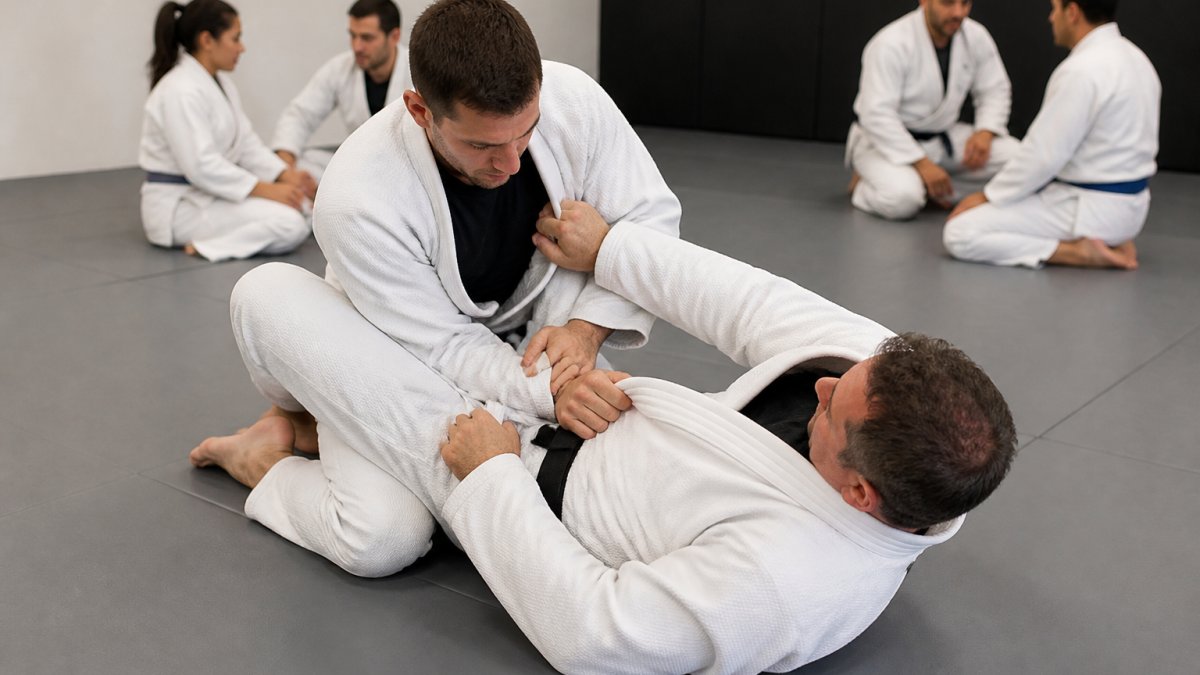
- Brazilian jiu-jitsu: The ground game. Beginners learn to control position and apply submissions without relying on size or speed. Continuous contact from day one, but controlled and technique-focused.
If you are weighing whether grappling suits you, read our honest look at whether Brazilian jiu-jitsu is good for self-defense. If you are still undecided between styles, this breakdown of whether beginner jiu-jitsu classes for adults are worth it answers the cost-and-commitment question directly.
What to Expect at Your First Martial Arts Class
Your first class is a trial, not a test. The details below are what beginners often want to know before they walk in.
Before You Arrive
- What to wear: Athletic shorts or leggings and a fitted t-shirt. Most schools provide a loaner uniform or gi for striking and grappling classes, and many offer a complimentary uniform when you enroll. Skip jewelry, remove watches, and trim your nails. Bring water and a small towel. If you have long hair, tie it back.
- When to arrive: 15 minutes early. That gives you time to introduce yourself, sign any waiver, change, and watch the start of the warm-up so you know where beginners line up.
- What to tell the instructor: Any injury, limitation, or medical condition before the warm-up starts. Beginner-specific safety starts with disclosure, not with toughness.
- What to eat: Something light an hour before class. Training on a full stomach is uncomfortable; training on empty can leave you lightheaded.
What Happens in the First Class
Ask each school how a beginner class is structured, how long it runs, and how sparring is introduced and whether it is required.
Handling Uncertainty and Safety
A common mistake is trying to keep up with experienced students on day one. Pacing yourself helps you stay consistent.
Beginner-specific safety comes down to three habits: warm up properly, tap early when a partner applies a hold, and speak up when something feels wrong. In grappling classes, tapping is not a sign of weakness; it is how training stays safe. In striking classes, tell your partner you are new and ask them to keep the pace controlled.
If you have a fitness concern, ask about modifications before class.
What to Wear to a Martial Arts Class and How to Prepare
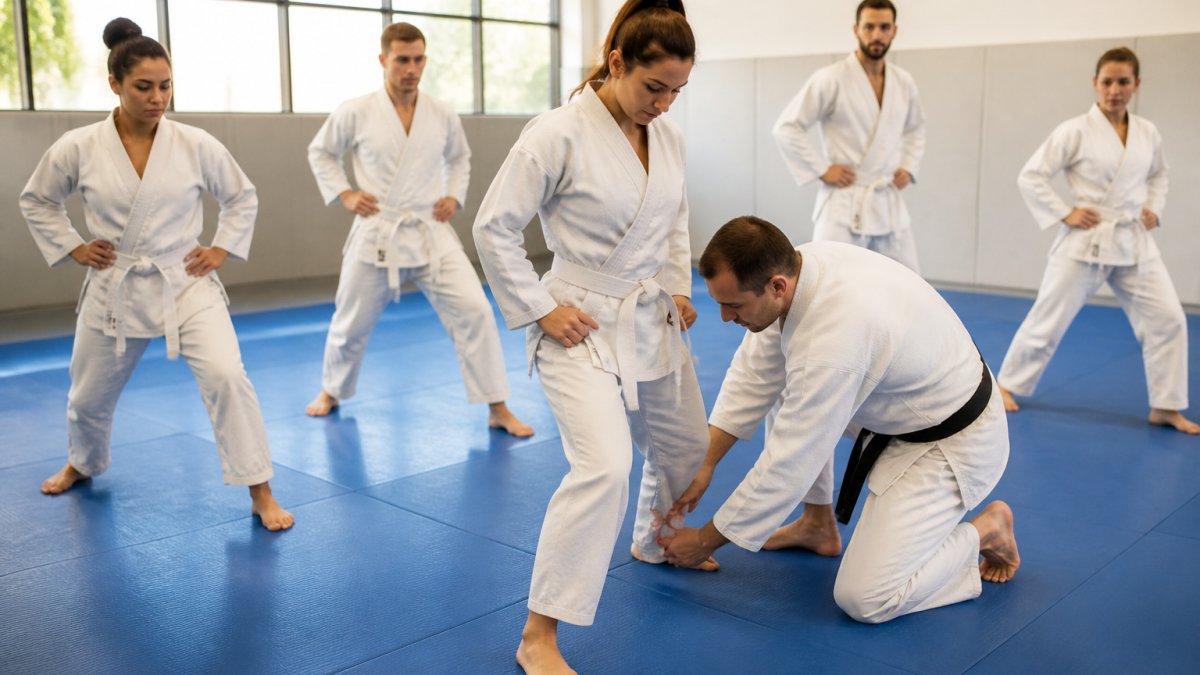
Wear athletic shorts or leggings and a fitted t-shirt for your first session.
Skip jewelry, remove watches, and trim your nails. Bring water and a small towel. If you have long hair, tie it back.
Preparation matters more than gear. Eat something light an hour before class, and tell the instructor about any injury or limitation before the warm-up starts. Beginner-specific safety comes down to three habits: warm up properly, tap early when a partner applies a hold, and speak up when something feels wrong.
How Often to Train Martial Arts as a Beginner
Many beginners find that training two classes per week is a manageable starting point.
Once the movements feel natural, three sessions per week accelerates progress noticeably. Daily training is for competitors, not newcomers.
Consistency beats intensity. A student who trains twice a week for six months will outpace someone who trains five times a week for three weeks and quits.
Comparing Costs, Schedules, and Instructor Quality
Ask three questions before you sign anything: what does tuition cover, how flexible is the class schedule, and who actually teaches the beginner class?
| What to Compare | What to Ask | Why It Matters |
|---|---|---|
| Monthly tuition | What is included, and is there a contract? | Avoid surprise fees and long lock-ins |
| Class schedule | Are there evening classes and weekend options? | Fits irregular work hours |
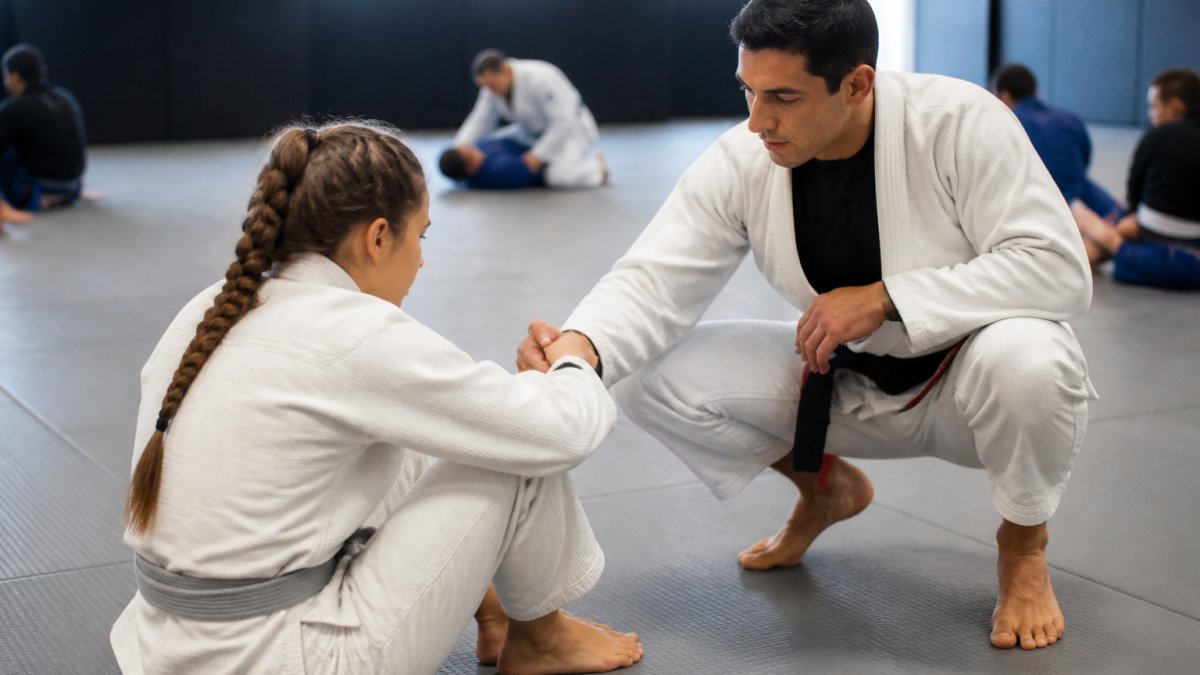
| Instructor | Who teaches beginners, and what are their credentials? | Patient teaching matters more than trophies |
| Trial offer | Is the first class free? | Lets you judge fit before paying |
| Class size | How many students per instructor? | More attention per beginner |
Instructor quality separates good schools from great ones. Look for a head instructor with verifiable rank and a teaching style that suits beginners.
For current pricing, please visit the Evolve Jiu Jitsu & Muay Thai website or ask directly. Evolve offers a free trial class so you can judge the fit before committing.
Book Your Free Beginner Class at Evolve Jiu Jitsu & Muay Thai
The gap between researching martial arts and actually training closes the moment you step onto a mat. Our beginner martial arts program in Rancho Mission Viejo is led by Checkmat black belt Todd Aimer, with classes for kids from age 4 through adults. Your first class is free.
Frequently Asked Questions
What martial art is easiest for beginners to learn?
Brazilian jiu-jitsu and Muay Thai both have beginner-friendly entry points, and the right choice depends on your goals. Jiu-jitsu focuses on ground control and leverage, so smaller or less athletic students can progress quickly. Muay Thai builds striking and fitness from day one.
Do I need to be in shape before starting beginner martial arts classes?
No. Most beginners walk in with no martial arts background and average fitness. Classes build conditioning gradually through warm-ups, drilling, and controlled rounds. If you have an injury or health concern, tell the instructor before class so they can suggest modifications. The free first class at Evolve is a low-pressure way to test your fitness level without committing to a membership.
How can I tell if a martial arts school is beginner-friendly?
Look for a trial class and ask how new students are integrated. Evolve Jiu Jitsu & Muay Thai offers a free first class led under Checkmat black belt Todd Aimer, which lets you judge the teaching style and atmosphere before paying.
Can children and adults start martial arts with no experience?
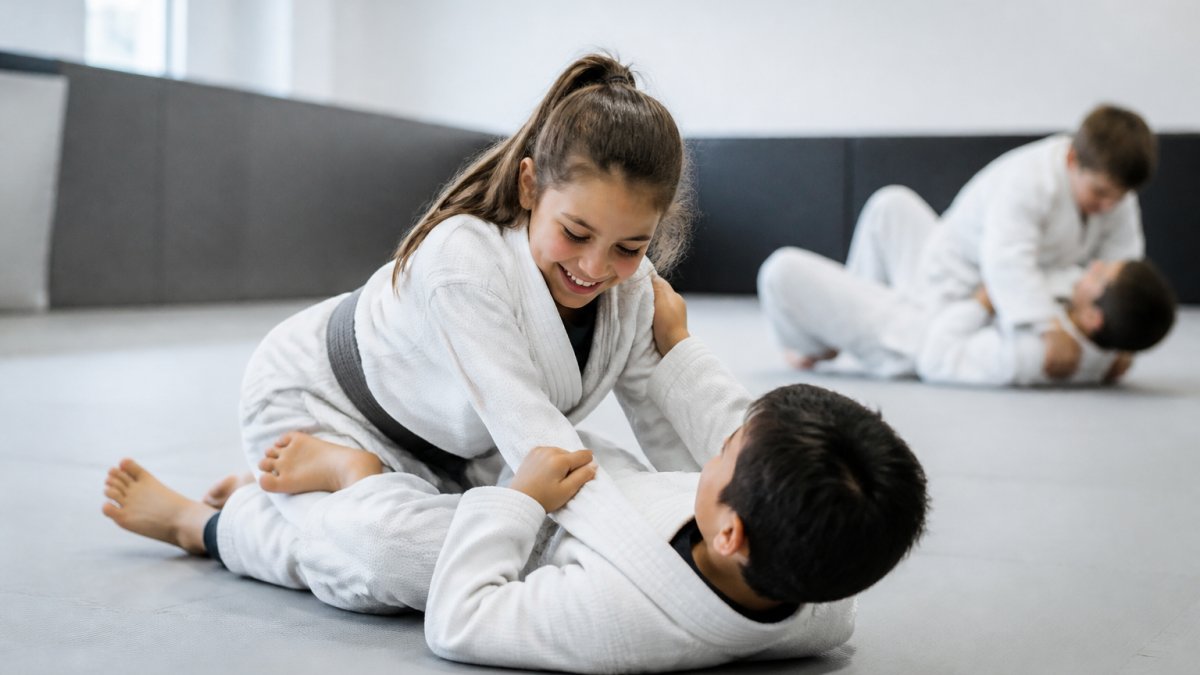
Yes. Programs at Evolve start with kids as young as four and run through adult classes, and each group works at its own level.
Ready to stop comparing and start training? Get started with Evolve Jiu Jitsu & Muay Thai and book your free first class, meet the instructor, and see how a supportive dojo feels before you commit to anything.